Socotra, Yemen: our first organic hydroponic system at over 50 degrees
In 2021, H4O took on a major challenge. We wanted to find out whether organic hydroponics could work in extreme environments, like the island of Socotra, in Yemen.
There we saw that many people have a diet low in vitamins. This is because local crops are missing and all food has to be imported. The climate is very hot, and growing in the soil is almost impossible.
So we decided to test our hydroponic system right there.
The first organic hydroponic system on Socotra
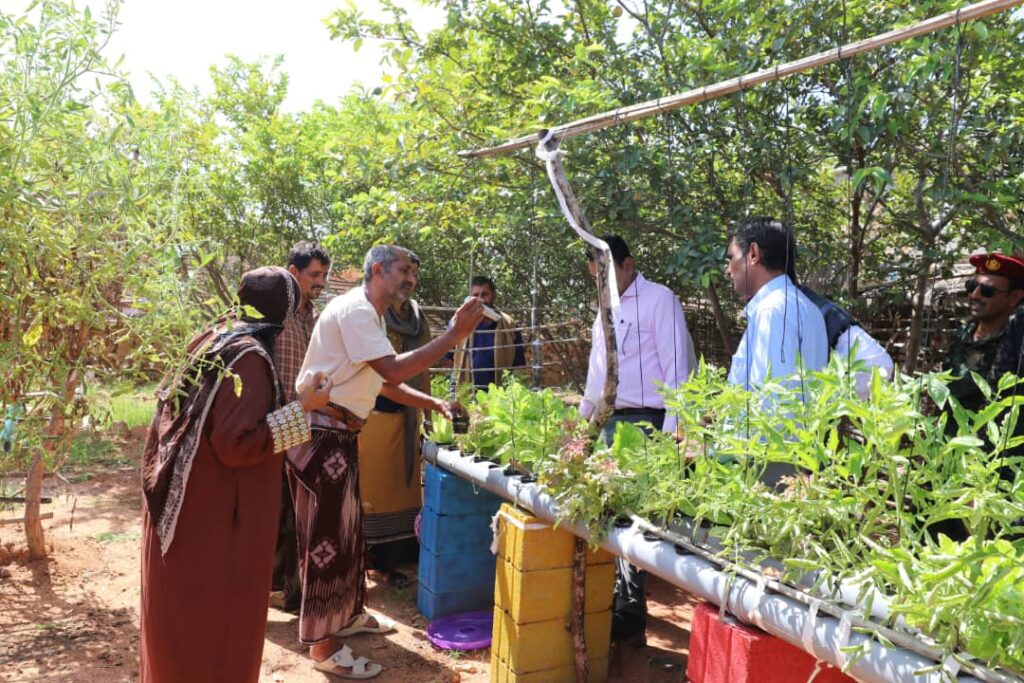
In 2022 we returned to the island to install the first pilot organic hydroponic system in an extreme environment. Conditions were prohibitive:
- ☀️ Air temperatures up to 53 °C
- 💧 Water at 38 °C
Despite the extreme heat, the plants grew well. After just one month we received a special photo: the island’s Minister of Agriculture cutting our vegetables at the official opening.

Why talk about organic hydroponics in extreme environments
This experience confirmed that organic hydroponics in extreme environments is not only possible, but can become a practical solution for vulnerable communities. Bringing food where the soil can’t provide it is a global challenge today, and the H4O system has shown it can be part of the answer.
What we learned
This experience showed us that organic hydroponics in extreme environments really is possible. With our system:
- You save water
- You grow without soil
- You get healthy, local vegetables
Why it matters
Millions of people around the world live in places where growing food is difficult. We want to offer a real solution to improve their diet.
The advantages of organic hydroponics in difficult settings
✔️ Resistance to high temperatures
✔️ No synthetic fertilisers
✔️ Responsible use of water
✔️ Local, sustainable production
Towards new horizons: H4O for global food security
Socotra was the first step on a longer path. We keep developing sustainable hydroponic solutions that adapt to the most extreme settings, to offer a real chance to grow food even where it seems impossible today.
A resilient system
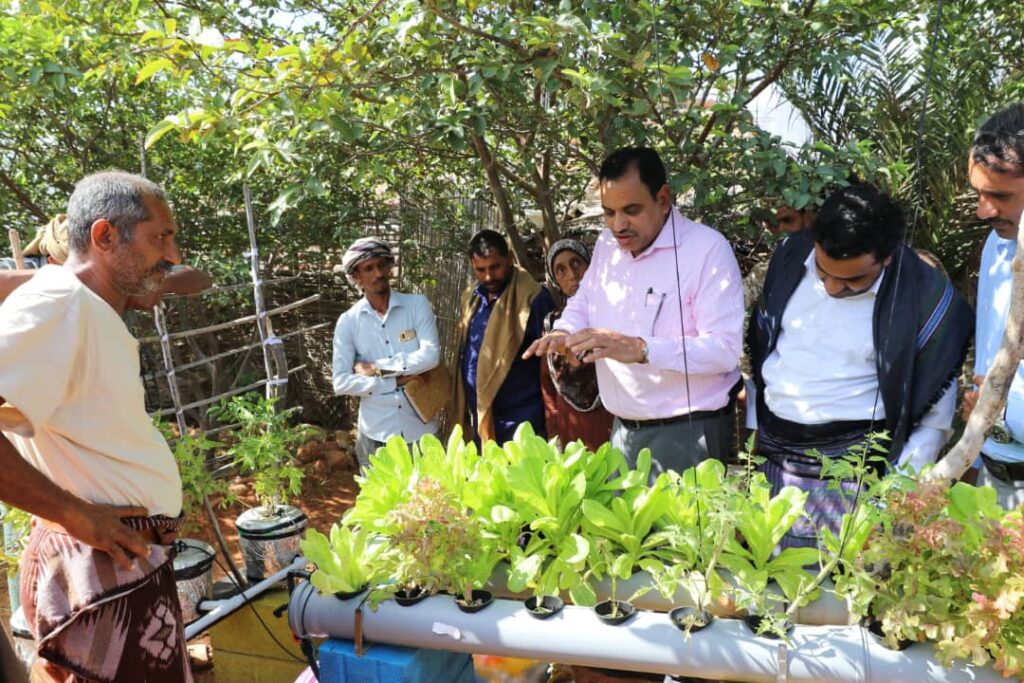
That experience confirmed the resilience of our organic hydroponic system even in prohibitive climates. It was our first field test abroad, and the first step on a path that now has us working around the world.
What’s next?
The Socotra project was only the beginning. We keep working to bring organic hydroponics to other extreme places in the world.